
Visual
Enter the cat’s field of view
Approach from visible angles when possible and avoid sudden touch during sleep or focused observation.
Disability-aware communication
Deaf cats may rely more on vision, vibration, scent, routine, and line of sight. Boarding care should reduce startling approaches and make caregiver contact easier to anticipate.
Current availability, rates, policies, and final care acceptance are managed by Cats in the City.
What changes the care plan
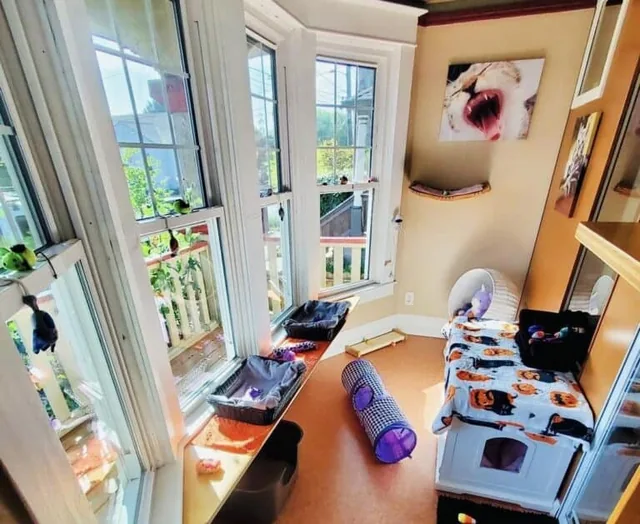
Deafness alone does not determine location. Room sight lines, activity level, mobility, medical needs, and the cat’s response to unfamiliar people guide the match.
Visual
Approach from visible angles when possible and avoid sudden touch during sleep or focused observation.
Vibration
Floor or surface vibration can announce presence without creating an abrupt tactile surprise.
Routine
Consistent care order, placement, gestures, and approach can help the cat predict what happens next.
Connected guidance
These pages answer adjacent questions and route operational decisions back to Cats in the City.
Related guide
Compare a different sensory-access plan.
Open guideRelated guide
Plan distance, approach, and recovery.
Open guideRelated guide
Consider sight lines and room activity.
Open guideQuestions guardians ask
Care fit is confirmed only after Cats in the City reviews the complete profile and requested dates.
Surprise touch can startle some deaf cats. Share the safest home method, such as visible approach, gentle vibration, or another established cue.
They may be, especially for cats who enjoy visual engagement. Some cats instead need lower visual activity.
Only discuss established devices with the team in advance. Do not introduce a new device solely for the stay without appropriate consideration.
Next step
Share the dates, routine, health history, appetite pattern, medication needs, and room priorities. Cats in the City will review the request and confirm the appropriate location and pathway.