
Part of Purr Almighty · the connected feline care networkBoarding operated by Cats in the City
Book or request care

Diabetic cat boarding in Portland

Food, glucose, insulin, and behavior stay connected.

Diabetic boarding at Cats in the City is routed through Sellwood and built around real-time safety: what the cat ate, how the cat is presenting, what glucose information is available, and how the care plan responds.

Sellwood onlyPre-arrival medical reviewGlucose-informed careAppetite protectionOn-campus overnight support

Boarding requests, availability, current rates, and care approval are managed by Cats in the City.
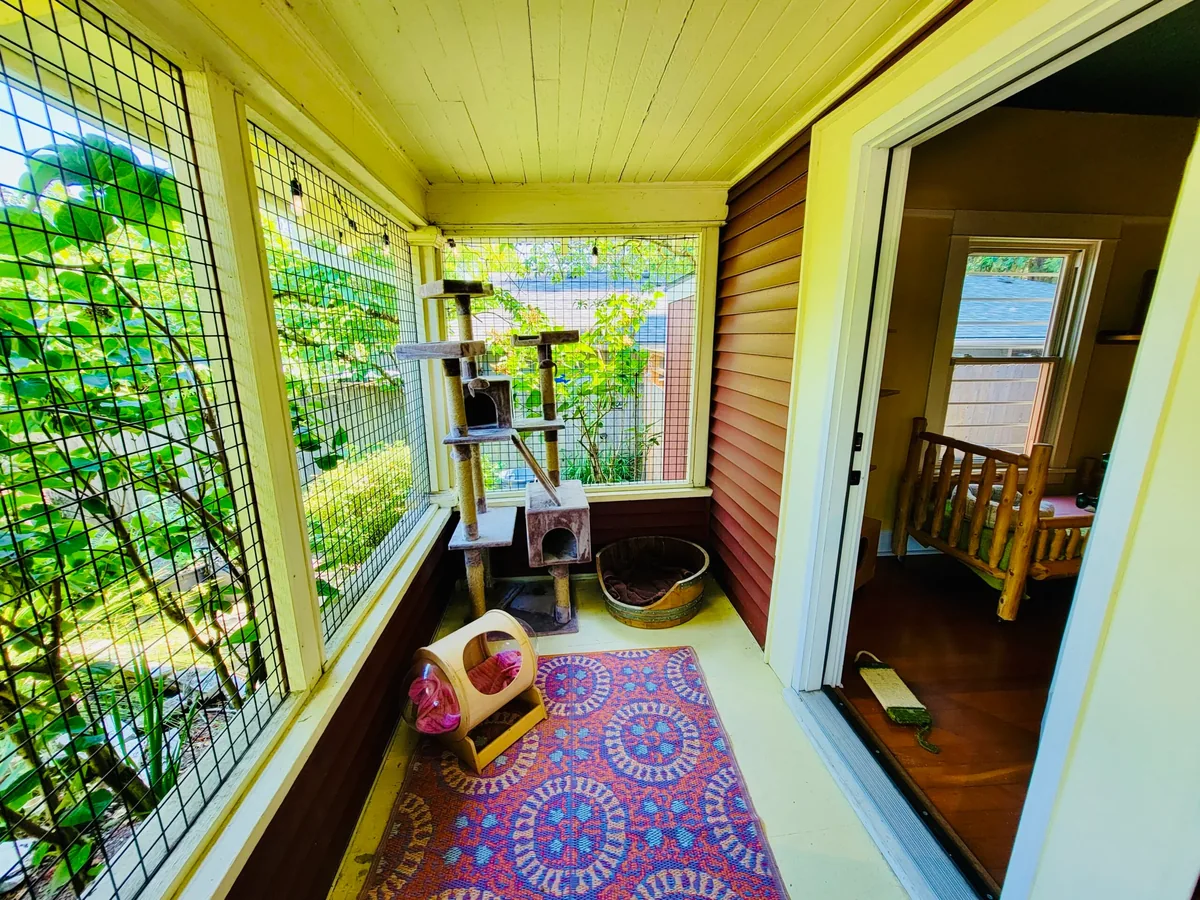
Private Sellwood boarding environment for a cat requiring specialized care
FoodBefore taskActual intake matters around every insulin decision.
SafetyBefore correctionThe protocol prioritizes avoiding hypoglycemia.

Before you request

Prepare a complete diabetic care picture

The review needs enough detail to distinguish a stable routine from a case that requires veterinary or hospital-level support.

Veterinary information

Provide the prescribing veterinarian, diagnosis history, most recent relevant records, current insulin, dose schedule, monitoring method, and recent changes.

Home glucose pattern

Describe typical readings or curve information available to you, monitoring tolerance, sensor use if applicable, and any known stress-related variation.

Food and appetite baseline

List exact foods, texture, amount, timing, grazing pattern, treats, food-motivated behaviors, and what reduced intake looks like for this cat.

Hypoglycemia history

Report any prior low-glucose events, symptoms, treatment, emergency visits, or dose changes. Do not minimize events that resolved at home.

Handling and supplies

Explain injection and testing routines, preferred restraint or consent cues, and send all labeled supplies with a reasonable buffer.

Emergency plan

Provide reachable contacts, primary and emergency veterinary preferences, financial authorization information, and any written advance care instructions.

During the stay

The care plan stays responsive.

The goal is consistent routine without pretending that a boarding environment is identical to home.

01

Arrival

Establish a boarding baseline

Orientation, stress, food interest, movement, hydration concern, and handling tolerance are observed at the start.

02

Meals

Document actual intake

The team distinguishes food offered from food eaten and watches approach, delay, partial intake, refusal, and return.

03

Monitoring

Use approved glucose information

Monitoring is completed according to the accepted care plan and interpreted within the larger clinical picture.

04

Insulin

Make a documented safety decision

Administration or intentional withholding follows the approved protocol rather than an automatic checkbox.

05

Observation

Watch after the task

Alertness, movement, appetite, behavior, neurologic signs, and recovery remain important after testing or insulin handling.

06

Communication

Escalate when the picture changes

The guardian and veterinary team are contacted when thresholds are crossed or the cat no longer fits the stable boarding plan.
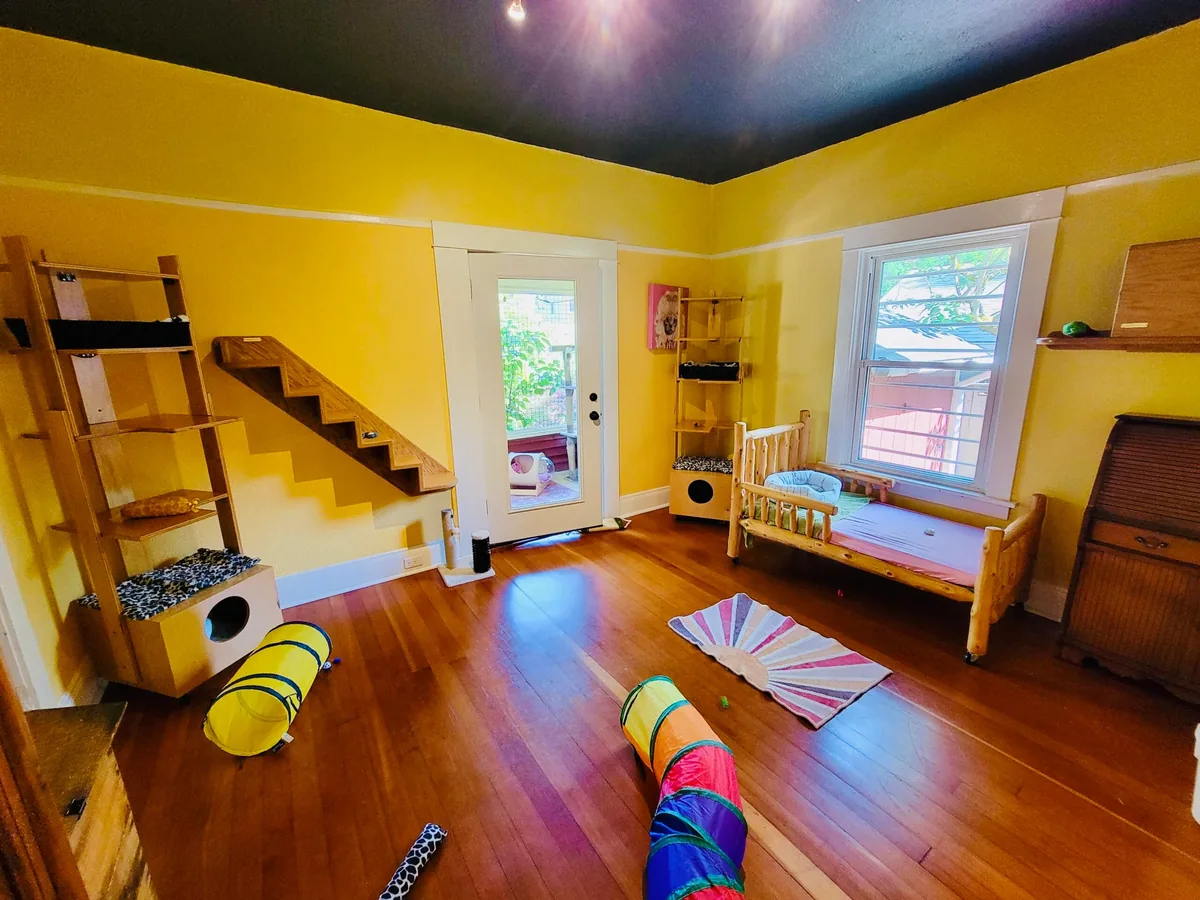
Private room at Cats in the City Sellwood
Medical support works best when the cat also has private space to rest, eat, move, and recover.

Why Sellwood

On-campus support changes the operational ceiling.

Sellwood is the primary diabetic boarding location because its staffing and care structure support closer observation and overnight escalation pathways. That does not mean every diabetic cat is automatically accepted.

The team reviews stability, monitoring burden, food reliability, handling tolerance, current treatment, prior hypoglycemia, and what would happen if the cat stops fitting the routine care plan.

Care boundary: Portland Cat Boarding and Cats in the City provide boarding, observation, medication support, and guardian/veterinary coordination. Boarding does not replace diagnosis, emergency care, or treatment by a licensed veterinarian. Every medical boarding request is reviewed for fit and current stability.

Pack for continuity

Bring the home routine in a form the team can use.

Clear labels and enough supplies prevent avoidable improvisation.

  • Insulin in original packaging with current prescription label
  • Syringes, pens, needles, sensors, meters, strips, lancets, or other approved supplies
  • Enough familiar food and treats for the stay plus a buffer
  • Written timing, feeding, testing, and administration routines
  • Current veterinarian and emergency contact information
  • Carrier and comfort items that can be safely used in the room
Do not change the medical plan for boarding without veterinary guidance.

New food, insulin, dose, monitoring technology, or medication routines should be stabilized before the stay whenever possible.

Questions

Diabetic cat boarding

Clear answers before you request care.

Where does diabetic boarding occur?

Diabetic boarding is routed through Cats in the City Sellwood, subject to review of the cat’s present stability and care needs.

What should I send with my cat?

Send the prescribed insulin in original packaging, administration supplies, glucose-monitoring supplies if part of the plan, clearly labeled food, written routines, veterinary contacts, and enough supplies for the stay plus a buffer.

Will the team follow my home schedule exactly?

The team aims for continuity, but boarding is a transition and the cat’s food intake or glucose context may change. Care follows the approved plan and real-time safety assessment.

What if my cat refuses food?

Food refusal is treated as clinically important information, especially around insulin. The team follows the approved appetite and escalation plan rather than treating the feeding schedule as completed because food was offered.

Is diabetic remission recognized?

Changes suggesting altered insulin need require careful documentation and veterinary coordination. Boarding staff do not independently diagnose remission.

Request review early.

Diabetic boarding requires more preparation and location-specific capacity. Submit records and care details before assuming the dates are available.

From protocol to case

See the decision model operating across a real stay.

Vanta’s case connects current glucose, food intake, somatic presentation, insulin administration, safe withholding, and cross-shift documentation.

V

Case

Vanta diabetic boarding case

A guardian-facing case route through the seven-day record.

Open the case
14

Cohort

Full Cats in the City protocol

Read the representative case and wider 14-cat cohort on the operator site.

Read the protocol
S

Location

Sellwood higher-support boarding

Diabetic boarding requests route through the Sellwood pathway.

Explore Sellwood