TANDEM Cat® transitional care
Food refusal is not a personality flaw. It is transition data.
Transitional Stress Anorexia describes early appetite suppression associated with boarding, travel, relocation, or major environmental change. Naming the pattern creates an earlier window for observation and response.
AppetiteTransitionHydrationSomatic observationEarly response
Current availability, rates, policies, and final care acceptance are managed by Cats in the City.
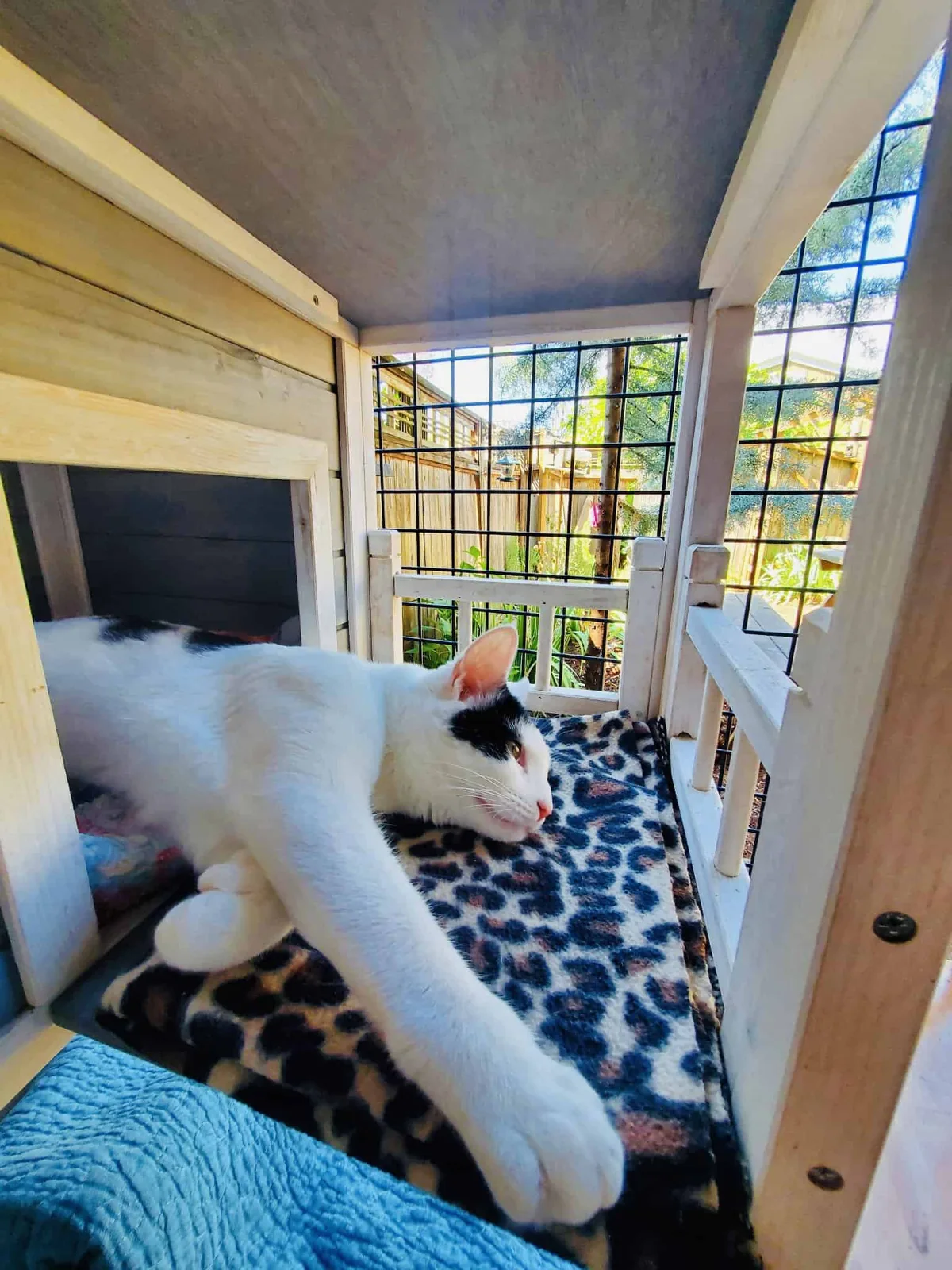
Early phaseThe cat may appear quiet before conventional systems recognize meaningful decline.
First missed mealNot automatically an emergency, but never meaningless.
Why the early phase matters
The preventable gap is often before visible collapse.
Waiting for a cat to look critically ill can miss the period when reduced intake, withdrawal, hydration change, and stress accumulation are already observable.
Primary Cats in the City source
This consumer wayfinder summarizes the public TANDEM Cat® TSA framework. Read the full protocol and cohort context at Cats in the City.
Care boundary: This website provides boarding education and routing. It does not diagnose, prescribe, or replace veterinary care. Medical boarding acceptance depends on current stability, complete instructions, supplies, veterinary information, staffing, and the Cats in the City review.
What the team is trying to understand
Not only whether food disappeared.
Appetite is interpreted alongside body state, environment, elimination, hydration, movement, interaction, medication, disease risk, and prior transition history.
Intake
What and how much was eaten
Food type, amount, timing, sequence, licking, sniffing, partial intake, and response to preferred options create a more useful picture.
Body state
What else changed
Posture, nausea signals, hiding, mobility, grooming, litter, respiratory effort, vocalization, and recovery after contact add context.
Trajectory
Is the cat expanding or compressing
A cat who begins exploring and eating differs from one whose intake and behavioral range keep narrowing across meals.
The appetite support pathway
Environment, food, hydration, and escalation stay connected.
The exact sequence depends on the cat and approved plan.
Environment
Reduce avoidable demand
Protect private territory, predictable approach, rest, scent continuity, and a room configuration the cat can map.
Food
Use the familiar and preferred
Offer known food, texture, temperature, presentation, and appetite supports according to the guardian plan.
Hydration
Observe hydration context
Water interest, wet-food intake, urine, vomiting, stool, medical history, and veterinary instructions affect interpretation.
Escalation
Act on the complete picture
The response may include recheck, supported intake, guardian contact, veterinary coordination, or transfer when indicated.
Questions guardians ask
Clear answers before the request.
Care fit is confirmed only after Cats in the City reviews the complete profile and requested dates.
Is a missed meal always an emergency?
No. Context matters, but a missed meal is useful clinical information—especially for cats with diabetes, kidney disease, prior food refusal, obesity, nausea, recent illness, or a history of rapid decline.
Is supported feeding the first response for every cat?
No. The team first considers environment, preferred food, nausea or pain concerns, hydration, timing, prior history, handling tolerance, and the approved care plan.
Where can I read the Cats in the City protocol?
The linked Cats in the City TSA page contains the deeper protocol and cohort outcomes.
Next step
Tell the team the appetite history before the first meal is missed.
Share the dates, routine, health history, appetite pattern, medication needs, and room priorities. Cats in the City will review the request and confirm the appropriate location and pathway.