
Part of Purr Almighty · the connected feline care networkBoarding operated by Cats in the City
Book or request care

Trauma-informed boarding approach

Distance, hiding, and refusal can be communication.

A shy, fearful, defensive, shutdown, or quickly activated cat needs care that distinguishes protective behavior from a fixed personality label.

Private roomProfile reviewRoutine continuityDaily observationEscalation plan

Current availability, rates, policies, and final care acceptance are managed by Cats in the City.
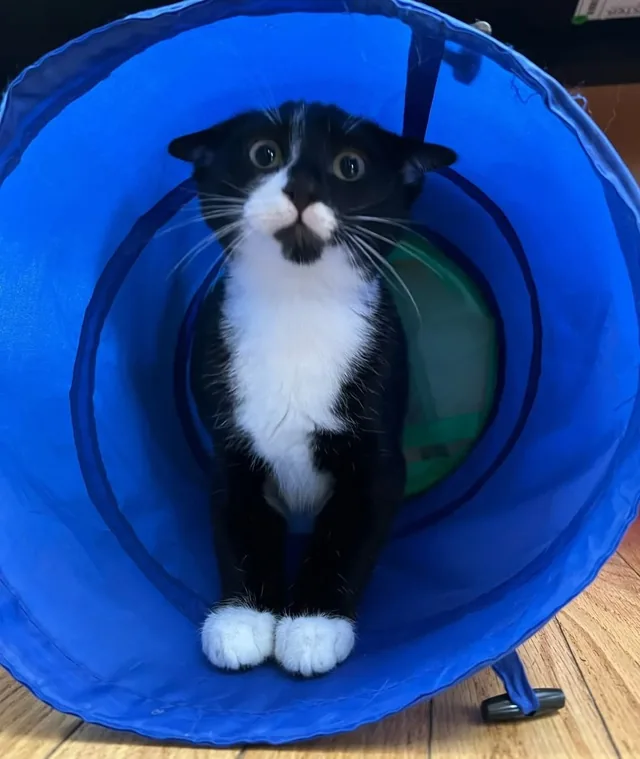
Cat using a tunnel as voluntary cover in an enriched room
1Start with baselineWhat is normal for this cat matters before the stay begins.
Plan the responseShare what should trigger contact, recheck, or veterinary escalation.

What changes the care plan

Boarding fit is built from function, not diagnosis alone.

Care matching considers handling risk, appetite, medication, room access, prior boarding response, and whether the team can safely provide essential care without repeated coercion.

D

Distance

Proximity should be earned

Approach angle, pace, eye contact, voice, reach, and retreat affect whether the cat can stay regulated.

H

Hiding

Cover can support observation

A usable hiding place is not the same as losing access to the cat. Setup should balance choice with necessary care visibility.

R

Recovery

What happens after contact matters

A cat who settles, eats, grooms, or explores after care differs from one whose functional range keeps shrinking.

Care boundary: This website provides boarding education and routing. It does not diagnose, prescribe, or replace veterinary care. Medical boarding acceptance depends on current stability, complete instructions, supplies, veterinary information, staffing, and the Cats in the City review.

How to prepare

Give the team a usable baseline.

The more specific the home routine and known warning signs are, the easier it is to distinguish transition from meaningful change.

Describe behavior without shorthand

Explain triggers, distance, posture, vocalization, contact tolerance, bite or scratch history, and recovery instead of only saying “aggressive.”

Share successful approach patterns

Note carrier opening, medication, food delivery, litter service, touch, play, and how familiar people gain access.

Protect essential care access

The room and hiding options should allow food, water, litter, observation, medication, and cleaning without repeated forced extraction.

Plan deferral and escalation

Know what care cannot be safely completed, when guardian or veterinary support is needed, and when the plan must change.

Connected guidance

Keep learning without losing the care path.

These pages answer adjacent questions and route operational decisions back to Cats in the City.

1

Related guide

Decompression after arrival

Reduce avoidable demand.

Open guide
2

Related guide

First-time boarding

Prepare a lower-uncertainty first stay.

Open guide
3

Related guide

Nervous-system-aware boarding

The broader care philosophy.

Open guide

Questions guardians ask

Clear answers before the request.

Care fit is confirmed only after Cats in the City reviews the complete profile and requested dates.

Will my cat be handled anyway if they hide?

Essential care still has to occur, but the team uses room setup, pacing, observation, and the approved plan to reduce unnecessary forced contact.

Should I give a calming medication before arrival?

Use only a veterinarian-approved plan and share the exact timing, response, and any side effects.

What if medication cannot be given safely?

The team follows the agreed missed-dose and escalation plan. Some care profiles may require a different setting or method.

Next step

Let the care plan start with the cat.

Share the dates, routine, health history, appetite pattern, medication needs, and room priorities. Cats in the City will review the request and confirm the appropriate location and pathway.