Part of Purr Almighty · the connected feline care networkBoarding operated by Cats in the City
Book or request care

Medical and special-needs cat boarding

Care organized around stability.

Some cats need more than a room, meals, and a clean litter box. They need medication fluency, appetite awareness, timing, whole-cat observation, and a team that can recognize small changes before they become larger concerns.

Medication-aware careAppetite and hydration observationDiabetic supportSenior and fragile catsVeterinary coordination when needed

Boarding requests, availability, current rates, and care approval are managed by Cats in the City.
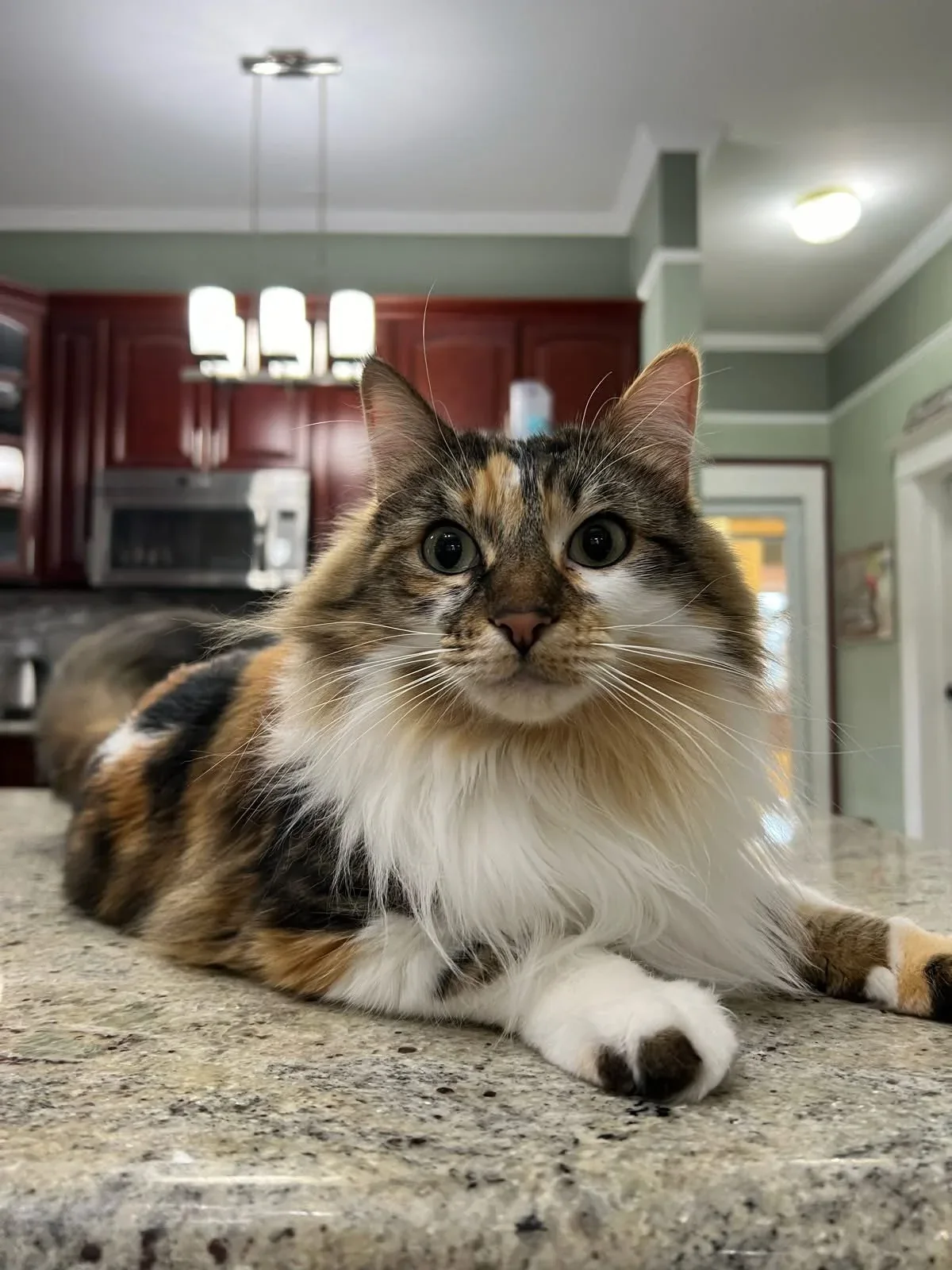
Cat resting openly in a Cats in the City boarding environment
RxTask + contextMedication is interpreted alongside food, handling tolerance, stress, and recovery.
SWSellwood routingHigher-acuity and diabetic requests are reviewed for the Sellwood location.

Care framework

Medical boarding is not simply giving medication.

The team asks how the cat is doing around the medication, food, environment, transition, and handling.

01

Pre-arrival

Review the known baseline

Diagnosis, medication, diet, appetite, mobility, behavior, elimination, stress patterns, and veterinary contacts are reviewed before the stay.

02

Intake

Establish arrival presentation

Posture, alertness, respiratory effort, movement, orientation, stress level, and ability to settle provide the first in-person baseline.

03

Daily picture

Track patterns across systems

Food interest, water interest, litter output, comfort, mobility, breathing, grooming, behavior, and response to care are observed together.

04

Medication

Verify timing and tolerance

The prescribed schedule, delivery method, food relationship, handling response, and recovery are documented within the boarding plan.

05

Thresholds

Respond when patterns change

Appetite, elimination, respiratory effort, glucose, mobility, or behavior changes can trigger added observation, guardian contact, or veterinary escalation.

06

Coordination

Keep communication usable

Clear documentation helps guardians, the boarding team, and veterinary professionals share the same picture when decisions are needed.

Common support profiles

Conditions overlap. The plan must still fit the whole cat.

A diagnosis does not automatically determine eligibility, location, or care intensity. Current stability and the practical care burden matter.

D

Endocrine

Diabetes

Insulin support, appetite awareness, glucose-informed decisions, and hypo-prevention priorities.

Open page
K

Renal

Kidney disease

Diet continuity, hydration awareness, litter observation, appetite tracking, and mobility context.

Open page
A

Respiratory

Asthma

Low-stress handling, clean-air priorities, respiratory observation, and prescribed inhaler support when approved.

Open page
S

Senior

Multisystem aging

Medication, mobility, appetite, litter access, sensory change, and recovery may all need a slower care rhythm.

Open page
F

Appetite

Transition-related food refusal

Early pattern tracking, familiar food strategy, hydration awareness, and escalation before prolonged anorexia.

Open page
V

Sensory

Blind or deaf cats

Stable room layout, predictable approach, visual or scent cues, and reduced startle within private territory.

Open page
M

Mobility

Arthritis or weakness

Short routes, stable surfaces, accessible litter, low climbing demands, and observation of effort or hesitation.

Open page
C

Complex

Overlapping needs

The care plan is built around interactions among diagnoses, medication, food, handling, and transition—not one label.

Open page
Private boarding room at the Sellwood medical boarding location
A medically complex cat still needs private territory, environmental choice, and a room that supports rest.

Location routing

Sellwood carries the highest medical boarding capacity.

Diabetic cats, higher-frequency observation, and complex or less stable medical profiles are generally routed to Sellwood. On-campus residential support makes overnight escalation pathways possible.

Mt Tabor may be appropriate for stable medication or special-needs routines when monitoring frequency and current presentation fit that location’s capacity. All care is approved case by case.

Care boundary: Portland Cat Boarding and Cats in the City provide boarding, observation, medication support, and guardian/veterinary coordination. Boarding does not replace diagnosis, emergency care, or treatment by a licensed veterinarian. Every medical boarding request is reviewed for fit and current stability.

What to submit

Make the review clinically usable

Incomplete or vague information can delay care review. Prepare the record before requesting dates.

Current veterinary summary

Include diagnoses, recent changes, relevant lab or glucose history, current veterinarian, and the date of the most recent examination.

Medication instructions

Provide original labels, exact prescribed timing, route, food relationship, handling method, and what a successful dose looks like for this cat.

Baseline patterns

Describe normal appetite, water interest, urine and stool, mobility, respiratory pattern, sleep, grooming, social behavior, and stress signs.

Risk and escalation plan

List known emergencies, prior hypoglycemia or anorexia, seizure or respiratory history, guardian availability, emergency contacts, and veterinary preferences.

Supplies and continuity

Bring enough labeled food and medication for the stay plus a reasonable buffer, along with familiar items that can be safely used in the room.

Care boundary: Portland Cat Boarding and Cats in the City provide boarding, observation, medication support, and guardian/veterinary coordination. Boarding does not replace diagnosis, emergency care, or treatment by a licensed veterinarian. Every medical boarding request is reviewed for fit and current stability.

Questions

Medical and special-needs boarding

Clear answers before you request care.

What kinds of medical needs may be considered?

Medication routines, diabetes, kidney disease, hyperthyroidism, asthma, mobility changes, sensory differences, appetite risk, and complex senior care may be reviewed. Acceptance depends on current stability, staffing, and the specific care plan.

Is medical boarding the same as hospitalization?

No. This is boarding with structured observation and care support. It does not replace diagnosis, emergency treatment, continuous veterinary monitoring, or hospitalization.

Which location handles higher-acuity care?

Sellwood is the primary higher-acuity and diabetic boarding location because it has on-campus residential support and the system’s greatest medical boarding capacity.

Can Mt Tabor handle medication?

Some stable medication or special-needs routines may be approved case by case. The request review determines whether Mt Tabor or Sellwood is appropriate.

What records should I provide?

Provide diagnoses, current veterinarian, medication labels and schedule, diet, appetite baseline, mobility, elimination patterns, known risks, emergency contacts, and written escalation preferences.

Request review before planning around acceptance.

Medical boarding is confirmed only after Cats in the City reviews the cat’s present stability, care burden, dates, location capacity, and escalation plan.

Expanded special-needs guidance

Search the condition that changes the care plan.

The Phase 3 library connects disease, disability, mobility, medication, appetite, behavior, recovery, and emergency planning back to the medical boarding review.

Rx

Search

Condition library

Find the guide matching the strongest medical or functional signal.

Search the library
A

Appetite

TSA and appetite support

Explore early food refusal, monitoring, hydration, and supported-feeding pathways.

Open TSA guidance
V

Case

Vanta diabetic boarding case

See how glucose, intake, behavior, safe insulin use, and withholds were documented.

Open the case