
Routine
Predictability can carry connection
Food, medication, light, rest, play, voice, and caregiver sequence can preserve continuity without recreating the home.
Attachment and transition planning
Some cats become highly vocal, vigilant, withdrawn, clingy, restless, or appetite-suppressed when separated from familiar people or household rhythms.
Current availability, rates, policies, and final care acceptance are managed by Cats in the City.
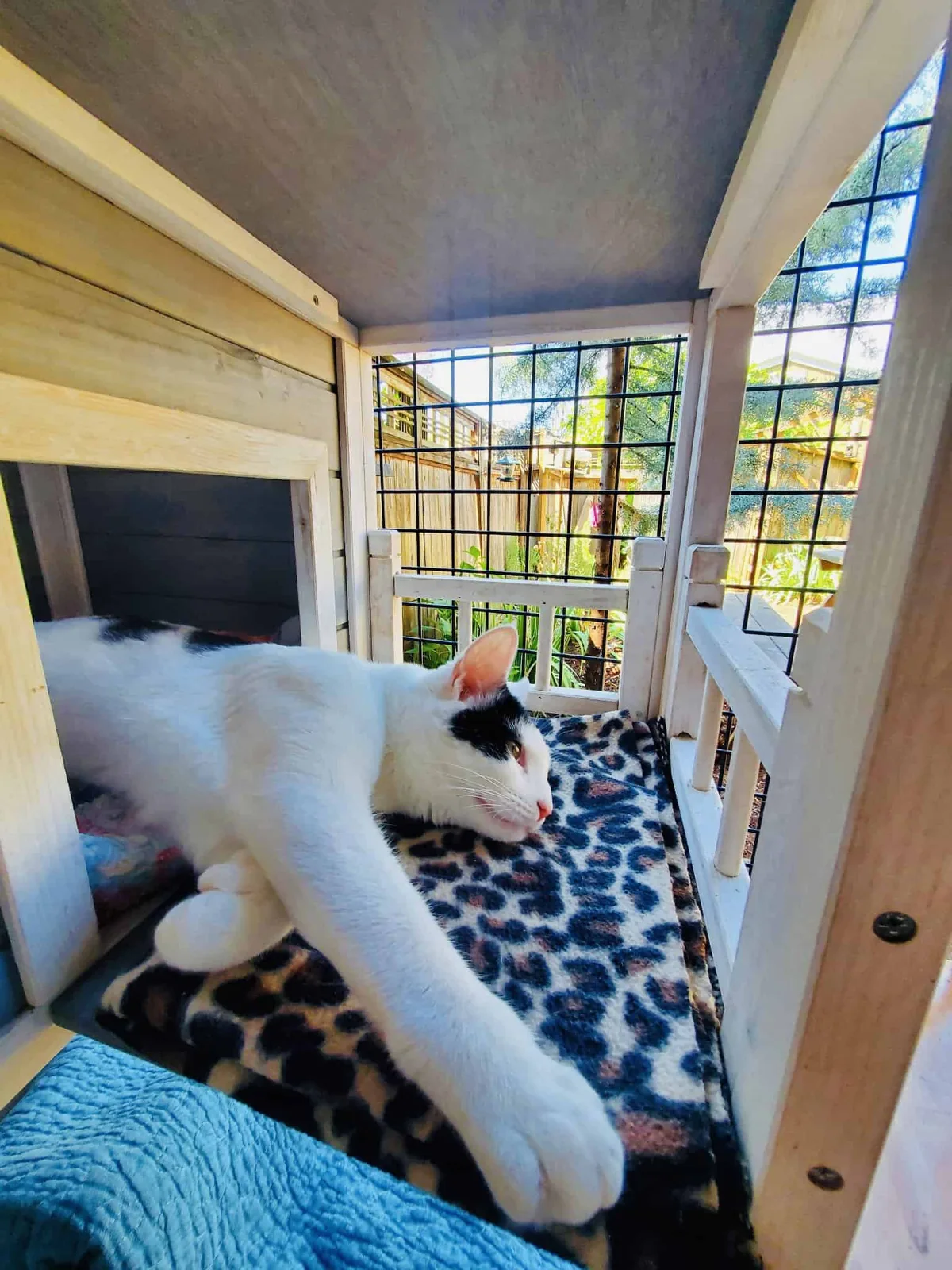
What changes the care plan
Separation sensitivity does not automatically determine location. Appetite history, medical risk, handling, room use, prior boarding response, and the need for closer observation guide the match.
Routine
Food, medication, light, rest, play, voice, and caregiver sequence can preserve continuity without recreating the home.
Scent
Approved bedding or scent items can provide a known anchor in otherwise unfamiliar territory.
Proximity
Constant contact can overwhelm one cat while another benefits from paced social availability. The response guides care.
Connected guidance
These pages answer adjacent questions and route operational decisions back to Cats in the City.
Related guide
Connect attachment stress with intake risk.
Open guideRelated guide
Protect low-demand orientation.
Open guideRelated guide
Build communication around useful care information.
Open guideQuestions guardians ask
Care fit is confirmed only after Cats in the City reviews the complete profile and requested dates.
Some cats orient to a familiar voice; others become activated or confused. Do not assume remote contact is beneficial without considering the individual response and facility plan.
Care should be responsive, not constant by default. Private territory, rest, routine, paced contact, and recovery remain important.
Home care may reduce environmental transition for some cats, but medical access, household context, visit frequency, social needs, and safety also matter.
Next step
Share the dates, routine, health history, appetite pattern, medication needs, and room priorities. Cats in the City will review the request and confirm the appropriate location and pathway.