Part of Purr Almighty · the connected feline care networkBoarding operated by Cats in the City
Book or request care

Prepare for cat boarding

Bring the baseline with the cat.

Preparation reduces avoidable improvisation. Clear food, medication, behavior, medical, carrier, and emergency information helps Cats in the City reproduce the home routine as closely as the transition allows.

Food continuityMedication labelsAccurate baselineCarrier planningEmergency contacts

Boarding requests, availability, current rates, and care approval are managed by Cats in the City.
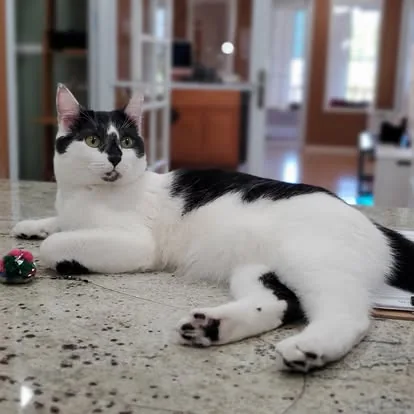
Cat relaxing in a private studio boarding room
7Days earlyBegin checking supplies and records before the travel day.
1Written planDo not depend on a rushed verbal handoff at drop-off.

One week before

Prepare the care record and supplies

The exact Cats in the City requirements provided with your reservation control. This guide helps you arrive ready.

Confirm the reservation details

Verify location, arrival appointment, pickup plan, room, dates, current requirements, deposit status, and any pending care approval.

Review veterinary records

Make sure required vaccinations and medical records are current and that any recent diagnosis, dose, or treatment change has been disclosed.

Count food and medication

Prepare enough familiar food, medication, administration supplies, and monitoring supplies for the stay plus a reasonable buffer.

Write the actual routine

Document meal timing, food texture, treats, medication method, litter preferences, sleep, play, social style, and what helps the cat recover.

Prepare emergency contacts

Confirm that guardians can be reached, designate an alternate decision-maker, and list primary and emergency veterinary preferences.

Check the carrier

Use a secure, functional carrier labeled with the cat and guardian name. Begin familiar carrier routines before the departure day if the carrier is highly activating.

What to pack

Make every item identifiable and usable.

Cats in the City may provide reservation-specific instructions. Do not send irreplaceable items.

01

Food

Familiar diet in clear portions

Label the cat’s name, food, amount, timing, preparation, refrigeration needs, and approved alternatives.

02

Medication

Original labeled containers

Include current prescription labels, exact timing, route, food relationship, supplies, and what to do after a missed or lost dose according to the approved plan.

03

Monitoring

Approved medical supplies

Bring meters, sensors, strips, lancets, inhalers, spacers, syringes, needles, or other supplies only when part of the accepted care plan.

04

Comfort

Safe familiar scent items

A washable blanket, small bed, or other approved item may help provide scent continuity without creating an irreplaceable loss risk.

05

Identification

Clear labels on everything

Use the cat’s full name and guardian surname on food, medication, supplies, carrier, and any approved personal items.

06

Documentation

Written baseline and contacts

Include the current routine, medical changes, veterinarian, emergency authorization, guardian contacts, and travel itinerary if relevant.
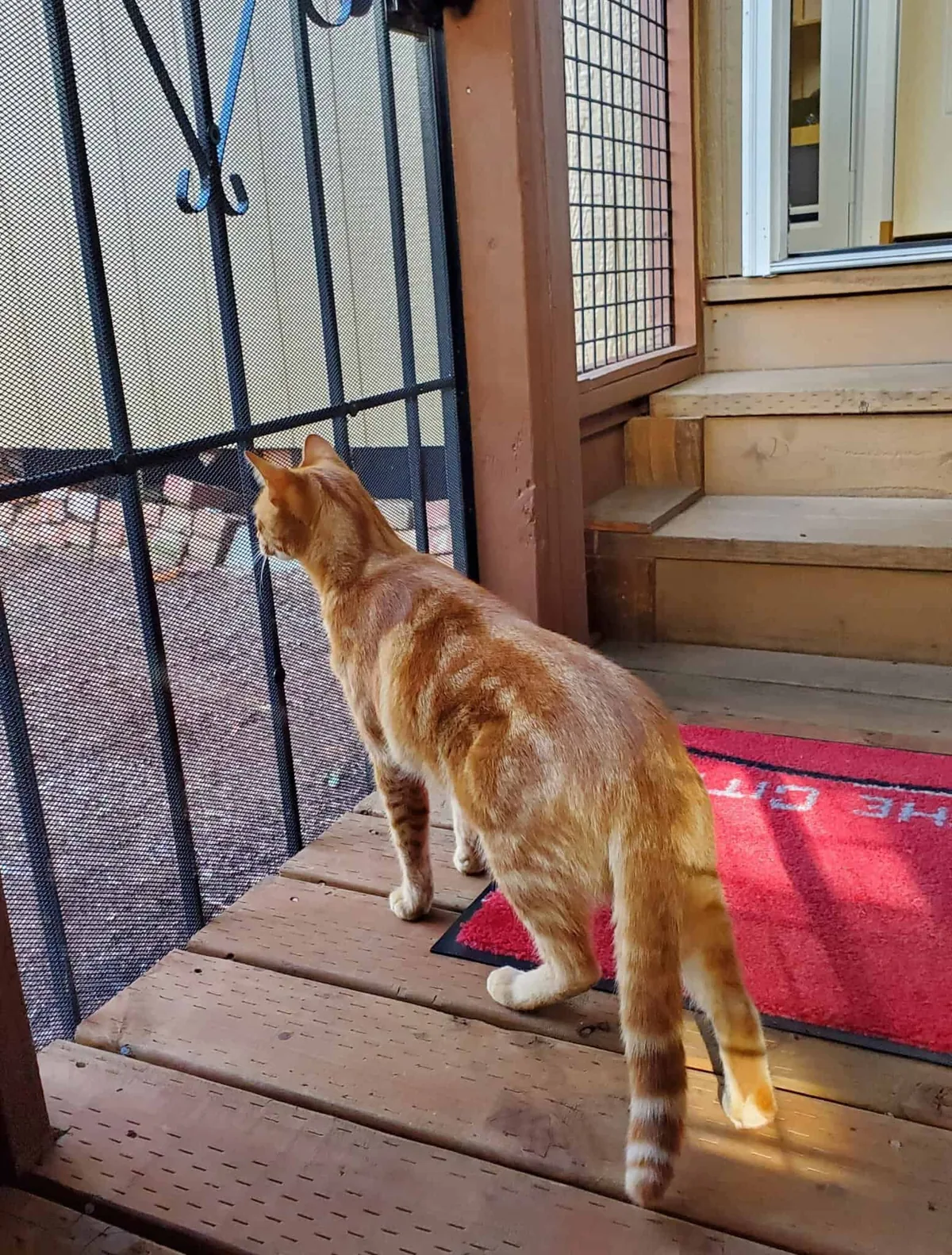
Cat orienting slowly to a new boarding environment
Arrival is a full sensory transition. Accurate handoff lets the team interpret what happens next.

Arrival day

Keep the handoff accurate and calm.

Do not skip food, change medication, add sedatives, or alter the routine unless the accepted care plan or veterinarian directs it. Tell the team exactly what the cat ate, received, eliminated, and experienced before arrival.

Share new vomiting, diarrhea, respiratory signs, weakness, appetite change, injury, medication error, or unusual behavior before the cat enters the room. A changed cat may require a changed plan.

The return home

Pickup is another transition.

Cats may need time to reorient to home scent, people, animals, food locations, and sleep rhythm.
  • Offer familiar food and water without forcing interaction
  • Restore litter, medication, and sleep routines promptly
  • Give space before expecting normal social behavior
  • Observe appetite, elimination, breathing, mobility, and energy
  • Contact Cats in the City or your veterinarian when concerning changes persist or escalate
Regulated rest
Regulated rest
Open observation
Open observation
Re-engagement
Re-engagement

Questions

Preparing a cat for boarding

Clear answers before you request care.

Should I change food before boarding?

Avoid unnecessary food changes close to the stay unless directed by your veterinarian. Familiar food and clear instructions support continuity.

Can I send home bedding or toys?

Cats in the City confirms what can be safely used. Choose items that are washable, identifiable, and not irreplaceable.

How much food and medication should I bring?

Bring enough for the scheduled stay plus a reasonable buffer in case travel plans change. Label everything clearly.

Should I start a new medication routine right before boarding?

Whenever possible, stabilize new medication, food, monitoring, or handling routines before the stay and discuss changes with the prescribing veterinarian.

What should I tell the team about behavior?

Describe actual behavior: hiding places, handling limits, carrier response, bite or scratch history, sound sensitivity, touch preferences, and reliable recovery cues.

Prepare the details before the travel day.

A complete request and organized supplies let the team focus on the cat rather than reconstructing the routine at intake.

Phase 3 planning system

Turn general preparation into a complete handoff.

Use the searchable resource center and browser-saved checklist for food, medication, carriers, contacts, transition, communication, and contingencies.

Library

Boarding resource center

Search planning guides by the decision in front of you.

Search resources

Checklist

Interactive packing checklist

Save progress locally, clear it, or print the complete list.

Open checklist

Timeline

Boarding stay timeline

Connect preparation with arrival, daily care, pickup, and homecoming.

Open timeline