
Carrier
Secure individual containment
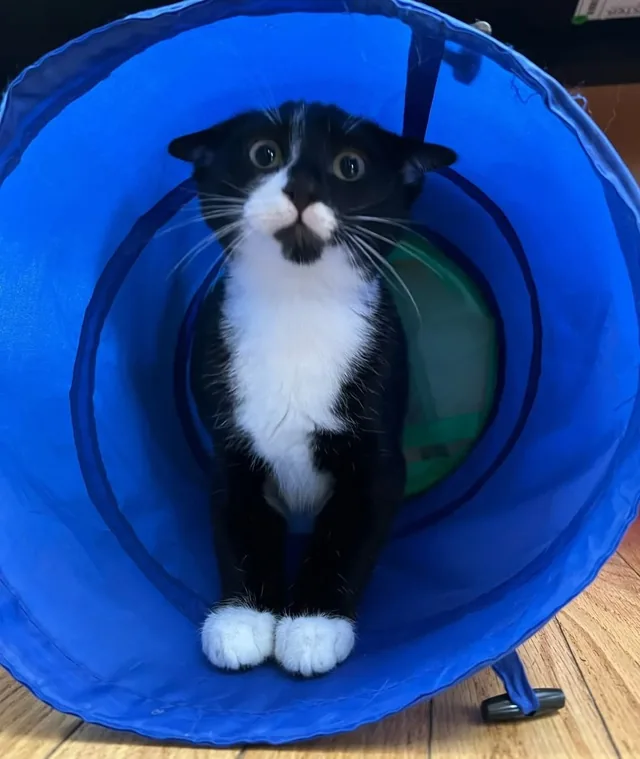
The carrier should be structurally sound, correctly fastened, labeled, and appropriate for the cat’s size and mobility.
Connected feline transportation
Pickup, carrier security, vehicle environment, timing, medication, last meal, arrival handoff, and travel disruption can shape how the cat enters boarding.
Current availability, rates, policies, and final care acceptance are managed by Cats in the City.
Planning principles
Preparation should reduce uncertainty for the cat, guardian, and care team without pretending every transition can be made invisible.
Carrier
The carrier should be structurally sound, correctly fastened, labeled, and appropriate for the cat’s size and mobility.
Timing
Travel timing can interact with insulin, nausea, sedating medication, meals, bathroom use, and check-in windows.
Handoff
The receiving team needs the last meal, last medication, travel response, symptoms, and any departure-day change.
Continue planning
Follow the pathway that matches the cat rather than reading the entire website in sequence.
Related guide
Make transport containment safer and more familiar.
Open guideRelated guide
See how travel affects the arrival picture.
Open guideRelated guide
Use geography as one part of the route plan.
Open guideQuestions guardians ask
Care fit is confirmed only after Cats in the City reviews the complete profile and requested dates.
No. Transportation is a separate service and availability must be confirmed.
Medication timing and responsibility must be explicitly coordinated in advance. Do not assume the driver can administer medication.
Transport grouping depends on secure individual carriers, household status, route, vehicle capacity, and the confirmed plan.
Next step
Share the dates, routine, health history, appetite pattern, medication needs, and room priorities. Cats in the City will review the request and confirm the appropriate location and pathway.